 Barsha Heights, Tecom, Dubai
  +971 (4) 266 6763
Fluoride Treatment for Kids in Dubai: Benefits & Cost
21/08/2026 · Children's Dentistry in Dubai
 21/08/2026
Fluoride treatment is a two-minute varnish painted onto a child’s teeth at a dental visit, delivering a concentrated dose that hardens enamel and reverses early decay before it becomes a cavity. It is applied every three to six months depending on risk, it is safe at professional doses, and the evidence for it is among the strongest in preventive dentistry.
It is also the treatment parents most often decline, usually because of something read online rather than anything a dentist has said. That deserves a straight answer rather than a leaflet, so this guide covers what the varnish does, what the safety evidence actually shows, and who benefits most.
Due a check-up for your child? Book a preventive visit at Mint Dental Care with our pediatric team. Call +971 4 266 6763, WhatsApp us, or see our children’s dentistry service.
What is fluoride treatment and who needs it?
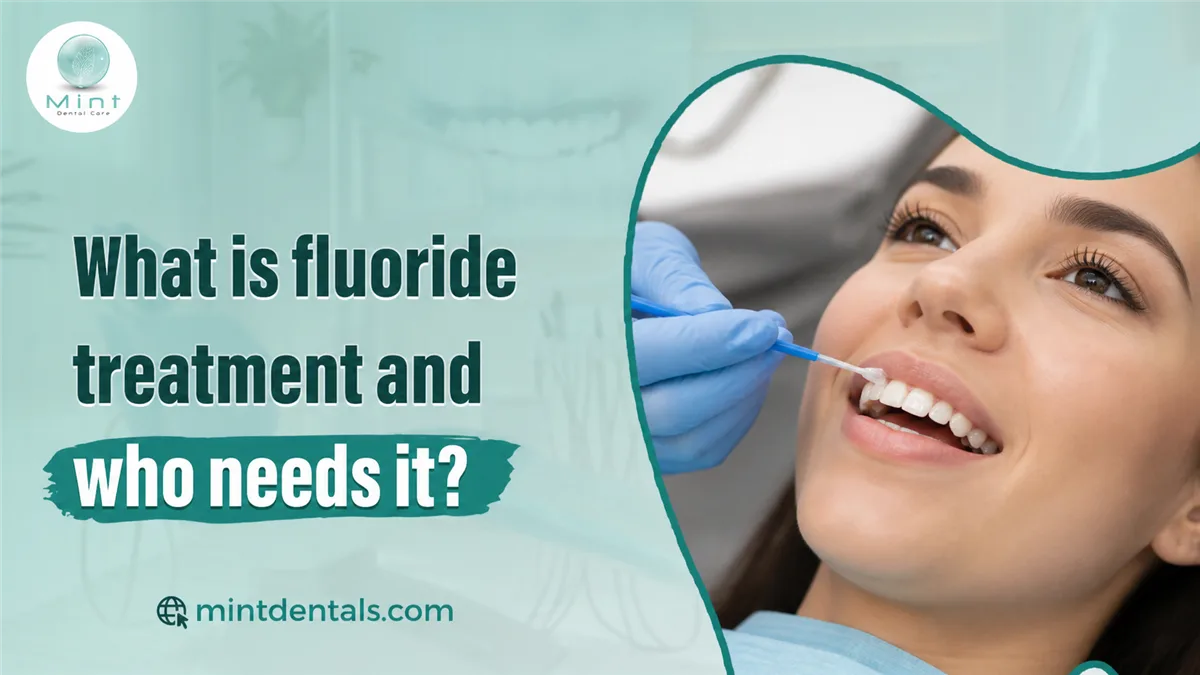
Enamel is in constant exchange with saliva: acid from bacteria pulls minerals out, and saliva puts them back. Decay begins when the losses outpace the repairs. Fluoride shifts that balance by forming fluorapatite, a mineral more resistant to acid than natural enamel, and by helping calcium and phosphate deposit back into weakened areas.
A professional fluoride treatment delivers far more than toothpaste can. The varnish sets on contact with saliva and stays in place for hours, releasing fluoride into the surface long after the appointment has ended. It is recommended for all children from the eruption of the first teeth, and it becomes more important for those at higher risk.
- Children with previous fillings or existing decay, who are statistically the most likely to develop more.
- Children wearing braces, since brackets trap plaque and decalcification around them is common.
- Anyone with deep grooves in the molars, dry mouth, or a diet high in juice, snacks and sweetened milk.
- Children with special needs or medical conditions that make daily brushing difficult.
- Adults with receding gums, exposed root surfaces, or a history of recurrent decay, who benefit just as much.
How a fluoride treatment appointment works
The teeth are cleaned and dried, and the varnish is painted on with a small brush. It takes about two minutes, tastes mildly sweet, and sets immediately, which is why it works on children who cannot manage a tray. Your child can eat straight away, avoiding hot drinks, crunchy food and brushing until the next morning so the varnish stays in contact.
Teeth may look slightly dull or yellow for a few hours, which is simply the varnish and disappears with the first brushing. Applications are repeated every six months for average risk, and every three months where risk is high.
Fluoride treatment is usually combined with the rest of a preventive visit: examination, hygiene advice, and often dental sealants for kids, which physically seal the deep grooves that a varnish alone cannot protect. The two work on different problems and are strongest together.
Is fluoride treatment safe for children?
At the doses used in dentistry, yes, and that position is held by the World Health Organization, the American Academy of Pediatric Dentistry and every major dental association. What matters is the distinction between topical and systemic exposure.
A varnish is topical. It sits on the enamel and only a small amount is swallowed, well below any level of concern, which is why it is preferred over gels and rinses for young children. The genuine risk to manage is dental fluorosis, and it comes from chronic swallowing of fluoride during the years the adult teeth are forming, mostly from toothpaste rather than from professional treatment. Practically, that means:
- A smear of toothpaste for under-threes and a pea-sized amount for ages three to six, supervised so it is spat out and not swallowed.
- No fluoride supplements unless a dentist has assessed the fluoride level in your water supply and recommended them.
- Keeping toothpaste out of reach, since the swallowing that matters is the tube, not the varnish.
Concerns circulating about fluoride and neurological development come from studies of very high exposure in regions with naturally elevated water fluoride, at levels far above anything used in dentistry or found in UAE municipal supplies. That is a real distinction, not a dismissal, and it is the answer worth having before you decline the treatment for your child.
Fluoride treatment cost, and what else protects the teeth
At Mint a fluoride treatment is applied as part of a preventive appointment, with a general dentist consultation at 200 AED and scaling and polishing at 500 AED, and the varnish itself quoted with the visit. A single application costs a fraction of the filling it is designed to prevent, which is the whole economic argument for it.
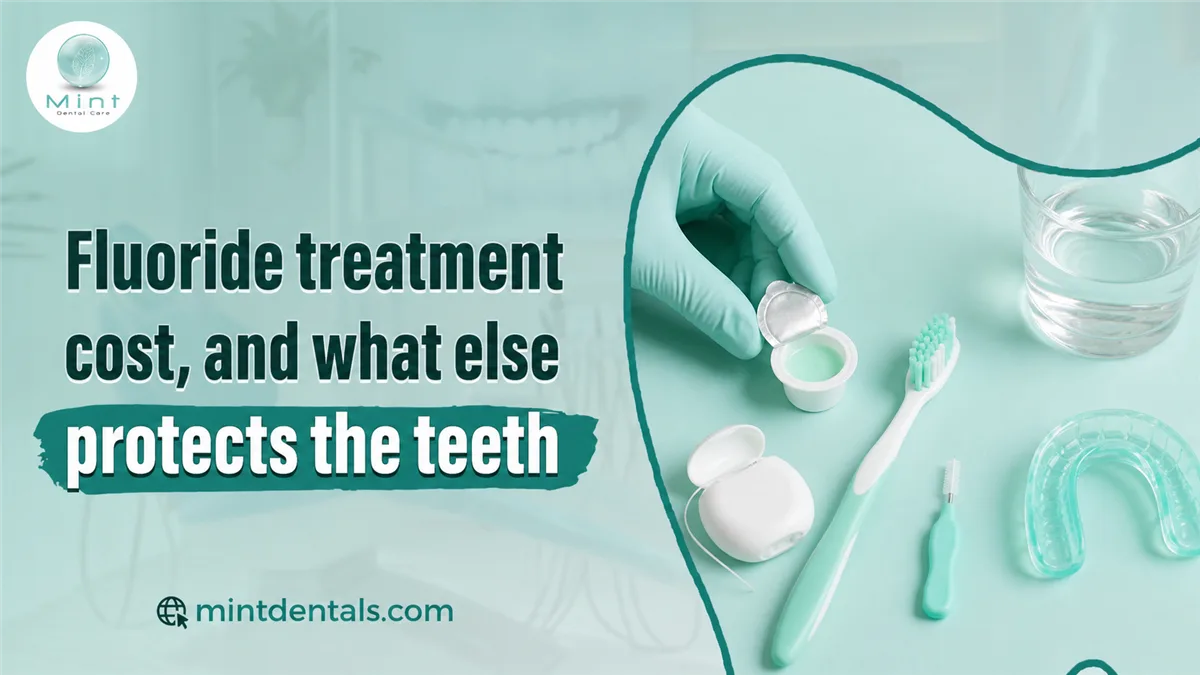
A fluoride treatment is not a substitute for the daily basics. Brushing twice a day with an age-appropriate fluoride toothpaste does the everyday work, sugar frequency matters more than sugar quantity, and water rather than juice between meals removes most of the acid attacks. Our guide to children’s preventive dentistry covers the routine at each age, and a routine dental check-up every six months is when the risk level gets reassessed.
If you are weighing this up for your child, the useful frame is that fluoride treatment is not a treatment for a problem, it is an attempt to avoid one. A varnish applied at four appointments over two years costs less than one filling in a baby molar, and spares a child their first experience of a drill. Ask your dentist what risk category your child falls into and why, since that answer should drive how often it is applied, rather than a blanket schedule applied to every patient.
Book your child’s preventive visit at Mint Dental Care, Barsha Heights (TECOM), Dubai. MOHAP-licensed pediatric team, 4.8-star patient rating. Call +971 4 266 6763, WhatsApp us, or book online.
Frequently asked questions
Is fluoride treatment necessary for children?
It is recommended for all children and considered important for those at higher risk: previous decay, braces, deep molar grooves, dry mouth or a high-sugar diet. It is preventive rather than compulsory, and the case for it is strongest exactly where decay risk is highest.
Why do some parents refuse fluoride?
Usually because of concerns about safety and neurological effects circulating online. Those studies looked at chronic high-level exposure from water supplies far above dental doses, not at a varnish applied twice a year. Discussing the specific concern with your dentist is more useful than declining without one.
Can I say no to fluoride at the dentist?
Yes, it is your decision and no reputable clinic will pressure you. If you decline, ask what the alternative plan looks like: closer recall intervals, sealants, a stricter diet review and a calcium phosphate paste can all reduce risk, though none replaces fluoride entirely.
What are the side effects of fluoride treatment?
Very few. Teeth can look dull or slightly yellow for a few hours until the varnish is brushed off, and occasionally there is mild gum irritation or a temporary taste change. Allergic reactions are rare, and any known allergy to colophony in the varnish should be mentioned beforehand.
How often should fluoride treatment be applied?
Every six months for children at average risk and every three months for those at high risk. The interval should be set from your child’s own history rather than applied to everyone identically.
Does it work for adults too?
Yes, fluoride treatment works for adults too. Those with exposed root surfaces from gum recession, dry mouth caused by medication, orthodontic appliances or a pattern of recurrent decay all benefit, and root surfaces in particular decay far faster than enamel.
Can my child eat afterwards?
Straight away. Avoid hot drinks, crunchy or sticky food, and brushing until the following morning so the varnish stays in contact with the enamel for as long as possible.