 Barsha Heights, Tecom, Dubai
  +971 (4) 266 6763
What Are Porcelain Crowns and How Do They Work? A Comprehensive Guide
· 09/10/2024 · Crowns and Bridges in Dubai
 09/10/2024
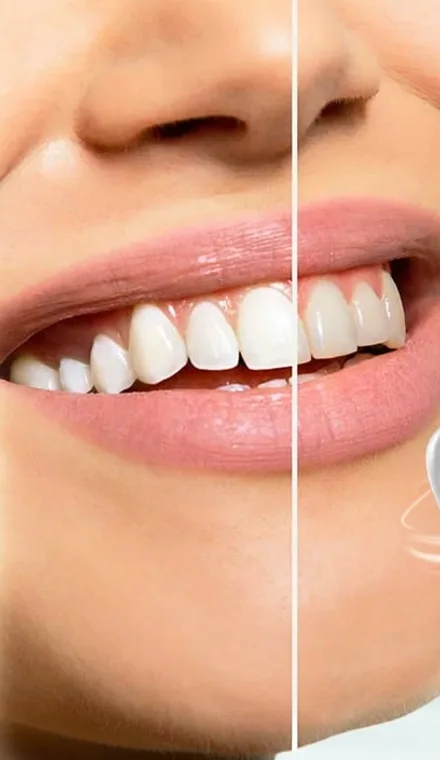
Porcelain crowns are tooth-shaped ceramic caps that fit over a damaged, weakened, or discoloured tooth to restore its strength, shape, and natural look. They work by sealing over the whole visible part of the tooth, taking the pressure of chewing off fragile enamel and spreading it across the crown instead. Because the ceramic is colour-matched and slightly translucent like real enamel, a well-made porcelain crown is almost impossible to tell apart from the teeth around it. That mix of protection and a natural finish is exactly why so many patients in Dubai choose them.
Medically reviewed by Dr. Ketki Shah, Prosthodontist at Mint Dental Care, Dubai.
This guide walks through what a porcelain crown is made of, how it protects a tooth, who actually needs one, what the two-visit procedure feels like, and how much you should budget in Dubai. We have placed thousands of crowns at our Al Barsha clinic, so the details below reflect what patients really experience in the chair, not just textbook theory.
What are porcelain crowns made of?
A porcelain crown is a hollow cap of dental ceramic, custom-shaped to slide over a prepared tooth like a thimble over a finger. The ceramic is fired at high temperature and layered so it reflects light the way natural enamel does, which is what stops the crown from looking flat or fake in your smile.
Not every “porcelain” crown is identical. The most common types you will hear about are all-ceramic crowns, which are pure porcelain-based material and give the best translucency for front teeth, and porcelain-fused-to-metal (PFM) crowns, which have a metal core under the ceramic for extra strength. Zirconia is a modern ceramic that is far tougher than traditional feldspathic porcelain and is often used on back teeth where the bite force is highest. If you want a full breakdown of each material and where it fits, we cover it in our guide to the types of dental crowns available in Dubai.
How do porcelain crowns work to protect a tooth?
A porcelain crown works by acting as a rigid outer shell that carries the load of biting and chewing instead of the weakened tooth underneath. When a tooth cracks, decays deeply, or loses a chunk of structure, it can no longer stand up to daily pressure and tends to split further with every bite. The crown wraps around what is left and holds it together, much like a helmet holds a fragile shell in one piece.
Once the crown is bonded on, the forces that used to concentrate on a thin cracked wall are redistributed evenly across the whole ceramic dome. That is why a properly crowned tooth can go back to chewing normal food, and why crowns are the standard fix for teeth that have been hollowed out by large fillings or root canal treatment. The tooth is sealed, supported, and shielded from the bacteria that would otherwise creep back into a fracture.
Who needs a porcelain crown?
You may need a porcelain crown when a tooth is too damaged for a filling but still healthy enough to save. Crowns sit between simple restorations and full replacement, so a dentist reaches for one when a tooth needs real reinforcement rather than a patch. If you are noticing pain on biting, a visible crack, or a tooth that has been repaired several times, those are classic warning signs, and our article on the signs you need a dental crown goes deeper into each one.
Severely cracked or fractured teeth
A tooth that is cracked, chipped down to the dentin, or weakened by trauma often cannot survive on its own. A crown caps the fracture and stops it spreading toward the root, which is the point of no return where extraction becomes the only option.
Teeth after root canal treatment
A tooth that has had its nerve removed becomes dry and brittle over time and is far more likely to snap under normal chewing. Crowning it afterwards is not optional cosmetic work, it is what protects your investment in the root canal. We explain the reasoning in detail in why dental crowns are essential after a root canal.
Large fillings and worn teeth
When a filling takes up more than half the tooth, the remaining walls are thin and prone to fracturing around the edge of the filling. A crown replaces that weak structure with solid ceramic. The same applies to teeth badly worn by grinding, where the biting surface has flattened and shortened.
Cosmetic reshaping
Porcelain crowns also correct teeth that are permanently discoloured, oddly shaped, or misaligned, especially when whitening and veneers are not enough. Because the ceramic is built to a chosen shade, the crown blends with the smile line while fixing the underlying shape.
How is the porcelain crown procedure performed?
Getting a traditional porcelain crown usually takes two appointments spread over one to two weeks, with a temporary crown in between. Here is what each stage involves so there are no surprises when you sit down in the chair.
Visit one: examination and tooth preparation
Your dentist first examines the tooth, sometimes with an X-ray, to confirm the root and surrounding bone are healthy enough to support a crown. The tooth is then numbed and shaped, meaning a thin layer of the outer surface is removed to make room for the ceramic so the finished crown sits flush with your other teeth. A digital scan or physical impression is taken and sent to the lab, and the shade is matched to the teeth beside it.
Between visits: the temporary crown
A temporary crown is fitted to protect the prepared tooth while the lab builds the permanent one, usually over 7 to 14 days. It lets you eat and speak normally, though we ask patients to go easy on sticky and very hard foods so the temporary does not pop off early.
Visit two: fitting the permanent crown
At the second visit the temporary is removed and the permanent porcelain crown is tried in. The dentist checks the fit, the bite, and the colour, makes any tiny adjustments, then bonds it permanently with dental cement. Most people walk out with a fully functional tooth the same day.
Prefer not to wait two weeks? Some clinics now mill ceramic crowns in-house with CAD/CAM technology so the whole thing is done in a single appointment. We offer this for suitable cases, and you can read how it works in our guide to same-day dental crowns in Dubai.
What are the benefits of porcelain crowns?
The main benefit of porcelain crowns is that they restore both the strength and the natural appearance of a tooth at the same time. Few other restorations manage to do both as convincingly. The advantages patients care about most are:
- Natural look: the ceramic matches the colour and slight translucency of real enamel, which makes porcelain the top choice for visible front teeth.
- Durability: with good care, a porcelain crown routinely lasts 10 to 15 years and often longer, standing up to normal biting forces.
- Restored function: once the crown is bonded, you can chew, bite, and speak without the discomfort or self-consciousness a broken tooth causes.
- Biocompatibility: all-ceramic crowns contain no metal, so they suit patients who react to metal or simply want a metal-free mouth.
- Gum-friendly finish: a well-polished ceramic margin sits kindly against the gum and resists the dark line that PFM crowns can develop over the years.

Are there any risks or drawbacks?
Porcelain crowns are very reliable, but like any dental work they carry a few honest trade-offs worth knowing before you commit. None of these should scare you off, they simply help set realistic expectations.
- Chipping: porcelain is strong but not unbreakable. Grinding your teeth or biting ice and hard sweets can chip the ceramic over time.
- Temporary sensitivity: mild sensitivity to hot and cold is common for a few days after fitting and usually settles on its own.
- Some enamel is removed: preparing the tooth is irreversible, so a crown is a lifelong commitment for that tooth.
- Cost: porcelain crowns cost more than metal or PFM crowns, though most patients feel the natural result is worth it for a tooth that shows when you smile.
If a crown does chip or come loose, it is not usually an emergency, but it should be seen promptly. Our team walks you through the immediate steps in our crowns and bridges service page, which is the best starting point if you are weighing up treatment.
How much do porcelain crowns cost in Dubai?
Porcelain crown prices in Dubai typically range from around AED 1,500 to AED 3,500 per tooth, depending on the material and the case. The figures below are indicative and should be confirmed at a consultation, since your final quote depends on the crown type, any groundwork the tooth needs first, and the lab used.
- PFM (porcelain-fused-to-metal): roughly AED 1,200 to AED 2,000, the most economical porcelain option.
- All-ceramic / E-max: roughly AED 1,800 to AED 3,000, best for front teeth and natural aesthetics.
- Zirconia: roughly AED 2,000 to AED 3,500, the strongest choice for heavy chewers and back teeth.
Keep in mind that a tooth needing a root canal or a post before the crown will add to the total. If cost is a deciding factor, it helps to compare clinics and see exactly what is included in the quoted price before you commit.
How do you care for porcelain crowns?
You care for a porcelain crown almost exactly the way you care for a natural tooth, with brushing, flossing, and regular check-ups. The crown itself cannot decay, but the natural tooth underneath it still can if plaque builds up at the gum line, so hygiene matters just as much as before.
- Brush twice a day with a soft brush and floss daily, paying attention to the margin where the crown meets the gum.
- Avoid biting hard objects like ice, pens, and hard nuts that can crack the ceramic.
- Wear a custom night guard if you grind your teeth, since bruxism is the number one cause of premature crown failure.
- Keep your six-monthly cleanings so we can catch any wear, decay under the margin, or a loosening crown early.
Protecting your other teeth matters too, because a strong bite around the crown keeps it working well. Our tips on how to protect your teeth from cracking and breaking are worth a read for anyone with a crown.
Frequently Asked Questions
Are porcelain crowns good for front teeth?
Yes, porcelain crowns are one of the best options for front teeth because their translucency mimics natural enamel and reflects light the same way. All-ceramic and E-max crowns in particular give an almost invisible result on the teeth people see when you smile.
How long do porcelain crowns last?
With good oral hygiene and regular check-ups, porcelain crowns typically last 10 to 15 years, and many last longer. Avoiding hard foods and wearing a night guard if you grind will push a crown toward the upper end of that range.
Do porcelain crowns stain over time?
High-quality porcelain is stain-resistant and holds its colour far better than natural enamel. The crown itself will not discolour, though the cement line near the gum can occasionally darken, which a professional cleaning usually resolves.
What is the difference between porcelain and ceramic crowns?
Porcelain is a type of ceramic, so the terms overlap. Modern all-ceramic materials like zirconia are stronger and better for back teeth, while traditional layered porcelain offers slightly better translucency for front teeth where looks matter most.
Can porcelain crowns be whitened?
No, whitening gels only lighten natural enamel and have no effect on ceramic. If you want a brighter smile, whiten your natural teeth first, then match the new crown to that lighter shade during fabrication.
Is getting a porcelain crown painful?
The procedure is done under local anaesthetic, so you should feel pressure but no pain while the tooth is prepared. Mild soreness or cold sensitivity for a few days afterward is normal and eases quickly with over-the-counter pain relief.
How do I book a porcelain crown consultation in Dubai?
Call or WhatsApp Mint Dental Care in Al Barsha to arrange an assessment. Our team will examine the tooth, discuss the best crown material for your case, and give you a clear quote before any treatment begins.